Finding the best body lotion for your skin can feel overwhelming. Walk down any beauty aisle or scroll through an online store, and you’ll see dozens of options promising softer, smoother, more radiant skin. But not every lotion works for every skin type — and choosing the wrong one can leave your skin greasy, irritated, or just as dry as before.
In this guide, we’ll break down everything you need to know to choose the best body lotion for your unique skin, lifestyle, and climate. Whether you’re dealing with dry winter skin, oily summer skin, sensitive skin, or specific concerns like stretch marks or premature aging, this guide will help you make a confident, informed choice.
Why Body Lotion Matters More Than You Think
Your skin is your body’s largest organ, and it acts as a protective barrier against environmental stressors like pollution, UV rays, and harsh weather. Over time, factors like hot showers, air conditioning, harsh soaps, and aging can strip away your skin’s natural moisture, weakening this barrier.
A good body lotion does more than just make your skin feel soft. It:
- Restores the skin barrier by replenishing lost moisture and lipids
- Locks in hydration to prevent water loss throughout the day
- Soothes irritation caused by dryness, flaking, or environmental damage
- Improves skin texture by softening rough patches and calluses
- Delays visible signs of aging by keeping skin plump and elastic
- Creates a healthy glow by improving how light reflects off smoother skin
Skipping body lotion, especially in dry or cold climates, can lead to long-term issues like eczema flare-ups, cracked heels, and premature fine lines. Investing in the right formula is a simple daily habit with a big payoff.
How to Choose the Best Body Lotion for You
Not all lotions are created equal, and the “best” one depends entirely on your skin type, the climate you live in, and your personal skincare goals. Here’s how to narrow down your choice.
1. Identify Your Skin Type
- Dry skin needs rich, emollient formulas with heavier oils and butters.
- Oily or combination skin does better with lightweight, fast-absorbing, non-greasy lotions.
- Sensitive skin requires fragrance-free, hypoallergenic formulas with minimal irritants.
- Normal skin has more flexibility but still benefits from daily hydration to maintain balance.
2. Consider Your Climate
If you live somewhere cold and dry, you’ll want a thicker, more occlusive lotion (or even a body butter) to prevent moisture loss. In hot, humid climates, a lighter lotion or gel-cream will keep skin hydrated without feeling heavy or clogging pores.
3. Check the Ingredient List
The best body lotions combine three categories of ingredients:
- Humectants (draw water into the skin): glycerin, hyaluronic acid, urea
- Emollients (soften and smooth): shea butter, cocoa butter, plant oils
- Occlusives (seal in moisture): petrolatum, dimethicone, beeswax
A well-formulated lotion typically includes at least one ingredient from each category.
4. Think About Added Benefits
Many modern lotions go beyond basic hydration. Look for added benefits like SPF protection, brightening agents (vitamin C, niacinamide), anti-aging peptides, or soothing botanicals like aloe vera and chamomile if these align with your skincare goals.
5. Avoid Common Irritants (If You Have Sensitive Skin)
If your skin reacts easily, steer clear of synthetic fragrances, dyes, alcohol-based formulas, and essential oils in high concentrations. Opt for lotions labeled “fragrance-free” or “for sensitive skin.”
Key Ingredients to Look for in the Best Body Lotions
Understanding what’s actually in your lotion helps you make smarter choices. Here are the ingredients dermatologists and skincare experts consistently recommend:
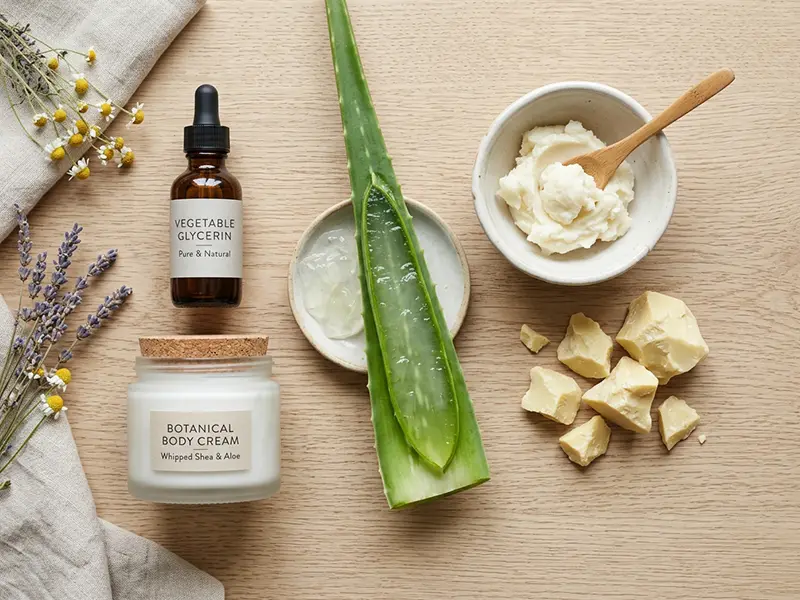
Shea Butter – A rich, plant-based emollient packed with fatty acids and vitamins A and E. Excellent for very dry or rough skin.
Glycerin – One of the most effective and affordable humectants, glycerin pulls moisture from the air into your skin.
Hyaluronic Acid – Capable of holding up to 1,000 times its weight in water, this ingredient plumps and hydrates without feeling heavy.
Ceramides – Naturally occurring lipids that reinforce the skin barrier and prevent moisture loss, making them ideal for sensitive or compromised skin.
Niacinamide (Vitamin B3) – Helps even skin tone, reduce redness, and strengthen the skin barrier over time.
Cocoa Butter – A deeply nourishing butter often used in body lotions marketed for stretch marks and very dry skin.
Urea – A gentle exfoliant and humectant, especially effective for rough patches like elbows, knees, and heels.
Aloe Vera – Soothes irritation and provides light hydration, especially helpful for sunburned or sensitive skin.
Vitamin E – An antioxidant that helps protect skin from environmental damage while supporting the skin’s natural repair process.
When comparing products, a longer list of these actives (versus filler ingredients like water and synthetic fragrance) generally signals a higher-quality formula.

Best Body Lotion by Skin Type
Best Body Lotion for Dry Skin
Dry skin needs rich, deeply nourishing formulas. Look for lotions with shea butter, cocoa butter, ceramides, and hyaluronic acid. Thicker creams or body butters — rather than thin, watery lotions — will provide longer-lasting relief, especially when applied right after a shower while skin is still slightly damp.
Look for: Shea butter, ceramides, ultra-hydrating formulas Apply: Twice daily, especially after bathing
Best Body Lotion for Oily or Combination Skin
Oily skin still needs hydration — skipping lotion can actually trigger more oil production as skin tries to compensate for dryness. The key is choosing a lightweight, oil-free, non-comedogenic formula that absorbs quickly without leaving a greasy residue.
Look for: Gel-based lotions, “non-comedogenic” labels, lightweight humectants like glycerin Apply: Once daily after showering
Best Body Lotion for Sensitive Skin
Sensitive skin is prone to redness, itching, and reactions from fragrances or harsh chemicals. The safest choice is a fragrance-free, dye-free lotion formulated with soothing ingredients like oat extract, ceramides, and aloe vera.
Look for: “Fragrance-free,” “hypoallergenic,” minimal ingredient lists Apply: Daily, patch-test new products first
Best Body Lotion for Normal Skin
If your skin isn’t particularly dry, oily, or reactive, you have the most flexibility. A well-balanced daily lotion with glycerin, vitamin E, and a light botanical scent works well to maintain hydration and softness without any heaviness.
Look for: Balanced formulas, added antioxidants Apply: Once daily
Best Body Lotion by Skin Concern
For Anti-Aging
Look for lotions with peptides, retinol derivatives, vitamin C, and antioxidants like vitamin E. These ingredients support collagen production and help maintain skin elasticity over time.
For Stretch Marks
Cocoa butter, shea butter, and centella asiatica are popular ingredients in lotions formulated to improve the appearance of stretch marks, especially when used consistently during pregnancy or periods of rapid weight change.
For Uneven Skin Tone or Dullness
Niacinamide, vitamin C, and licorice root extract help brighten skin and even out tone over consistent use.
For Eczema-Prone or Extremely Dry Skin
Fragrance-free formulas with ceramides, colloidal oatmeal, and shea butter are typically recommended by dermatologists for eczema-prone skin, as they reinforce the skin’s protective barrier without triggering flare-ups.
For Sun-Damaged or Post-Sun Skin
Aloe vera-based lotions with vitamin E and antioxidants help soothe and hydrate skin after sun exposure while supporting the skin’s natural repair process.
How to Apply Body Lotion for Maximum Results
Even the best body lotion won’t work well if it’s applied incorrectly. Follow these steps for the best results:
- Apply right after showering or bathing, while skin is still slightly damp. This helps lock in extra moisture.
- Use gentle, upward strokes to massage the lotion in, which also boosts circulation.
- Don’t skip commonly dry areas like elbows, knees, heels, and hands.
- Reapply as needed, especially in dry climates or during winter months.
- Let it fully absorb before getting dressed to avoid staining clothes or feeling sticky.
- Be consistent — daily use over weeks produces far better results than occasional use.
Common Mistakes to Avoid When Choosing a Body Lotion
- Ignoring your skin type and choosing a lotion based on packaging or scent alone
- Using face lotion on your body (or vice versa) — these are formulated differently
- Applying lotion only in winter — skin needs hydration year-round, even in summer
- Choosing based on price alone — cheaper doesn’t always mean less effective, and expensive doesn’t guarantee better results
- Not patch-testing new products, especially if you have sensitive or reactive skin
- Applying too little — using a generous amount is key for lasting hydration
Frequently Asked Questions
How often should I apply body lotion? Most dermatologists recommend applying body lotion at least once daily, ideally right after showering. Those with very dry skin may benefit from twice-daily application.
What’s the difference between body lotion, body cream, and body butter? Lotions are lightweight and fast-absorbing, ideal for daily use and warmer climates. Creams are thicker and more hydrating, suitable for normal to dry skin. Body butters are the richest and most occlusive, best for very dry skin or cold climates.
Can I use the same lotion on my face and body? It’s generally not recommended. Body lotions are often formulated with heavier ingredients that can clog facial pores, while facial products are typically lighter and contain ingredients tailored to facial skin, which is thinner and more sensitive.
Is it bad to use body lotion every day? No — daily use is not only safe but recommended for maintaining healthy, hydrated skin and a strong skin barrier.
What ingredients should I avoid if I have sensitive skin? Avoid synthetic fragrances, dyes, alcohol, and high concentrations of essential oils, as these are common irritants for sensitive or reactive skin.
Does body lotion help with aging skin? Yes. Lotions with antioxidants, peptides, and hydrating ingredients like hyaluronic acid can help maintain skin elasticity and reduce the appearance of fine lines over time.
Final Thoughts: Finding Your Best Body Lotion
The best body lotion isn’t a one-size-fits-all product — it’s the one that matches your skin type, addresses your specific concerns, and fits seamlessly into your daily routine. Whether you need deep hydration for dry winter skin, a lightweight formula for oily skin, or a gentle, fragrance-free option for sensitive skin, understanding your needs is the first step to healthier, softer skin.
Ready to find your perfect match? Browse our curated collection of body lotions, formulated with skin-loving ingredients for every skin type and concern, and start your journey to smoother, more radiant skin today.